Falcon Environmental Solutions conducts thorough NFPA 86 compliance inspections for industrial ovens, furnaces, thermal oxidizers, and dryers. Our inspectors verify safety interlocks, combustion safeguards, and ventilation systems, providing the documentation your insurance carrier and regulatory agencies require.
NFPA 86, the Standard for Ovens and Furnaces, is the governing safety standard for any equipment that uses heat from the combustion of fuel or from electric heating to process materials by raising their temperature above ambient. This covers a vast range of industrial equipment: thermal oxidizers, regenerative thermal oxidizers (RTOs), catalytic oxidizers, direct-fired ovens, curing ovens, powder coating ovens, batch furnaces, continuous furnaces, dryers, kilns, and any other heated enclosure used in manufacturing or pollution control. Compliance with NFPA 86 is not optional. Insurance carriers require it. OSHA references it. State fire marshals enforce it. Falcon Environmental Solutions provides comprehensive NFPA 86 inspection services that verify your equipment meets the standard and give you the documentation to prove it.
Our inspection program covers both annual and semi-annual inspection requirements as specified in NFPA 86 Chapter 10 (Inspection, Testing, and Maintenance). The standard requires that safety devices, interlocks, and controls be inspected and tested at intervals not exceeding those specified by the manufacturer or the authority having jurisdiction (AHJ), but in no case less frequently than annually. For thermal oxidizers and other Class A oven systems processing flammable solvents or volatiles, many insurance carriers and AHJs require semi-annual inspections. Our inspection programs are structured to meet whatever frequency your facility requires, with scheduling flexibility to align with planned maintenance windows and production schedules.
Safety interlock testing is the most critical component of an NFPA 86 inspection. Every fuel-fired system has a chain of safety interlocks that must function correctly to prevent dangerous operating conditions. Our inspectors systematically test each interlock by simulating the fault condition and verifying that the safety system responds correctly. This includes high temperature interlocks, low airflow interlocks, combustion blower proof-of-operation interlocks, purge completion verification, flame failure response, safety shutoff valve (SSOV) proof of closure, solvent concentration interlocks (LEL monitoring for Class A systems), and all emergency stop circuits. Every interlock is tested, documented, and either passed or flagged for corrective action.
Combustion safeguard verification ensures that the burner management system (BMS) or flame safety controller protecting your combustion equipment operates within the timing and response requirements of NFPA 86. We verify pre-purge duration and airflow rate, pilot trial for ignition timing, main burner trial for ignition timing, flame failure response time, and post-purge requirements. For systems with multiple burners or multiple zones, each burner and zone is tested independently. The combustion safeguard system is the last line of defense against fuel accumulation and explosion. Our inspectors treat this testing with the seriousness it demands.
Ventilation system verification addresses one of the most common areas of NFPA 86 non-compliance. Class A ovens processing flammable solvents must maintain ventilation rates that keep the solvent vapor concentration inside the oven below 25% of the lower explosive limit (LEL) at all times (or 50% of LEL with continuous LEL monitoring and automatic safety shutdown). Our inspectors verify exhaust fan operation, airflow measurement devices, make-up air systems, and LEL monitoring systems. We calculate the required ventilation rate based on the maximum solvent input rate and verify that the installed ventilation system meets or exceeds the requirement. Ventilation deficiencies are the single most common finding in our inspections and the single most dangerous condition to leave unaddressed.
Fuel train inspection covers every component between the gas utility meter (or fuel storage) and the burner. Our inspectors verify the proper installation and condition of manual shutoff valves, pressure regulators, safety shutoff valves (SSOVs), vent valves, pressure switches, flexible connectors, and gas piping. We verify that the SSOV leak test (proof of closure) function operates correctly, using the pressure decay method specified in NFPA 86 Chapter 8. We check that vent valves between double-block SSOV pairs are properly piped to a safe outdoor location. We verify that pressure regulator vents are also properly piped. Fuel train deficiencies are among the most serious findings because they directly affect explosion risk.
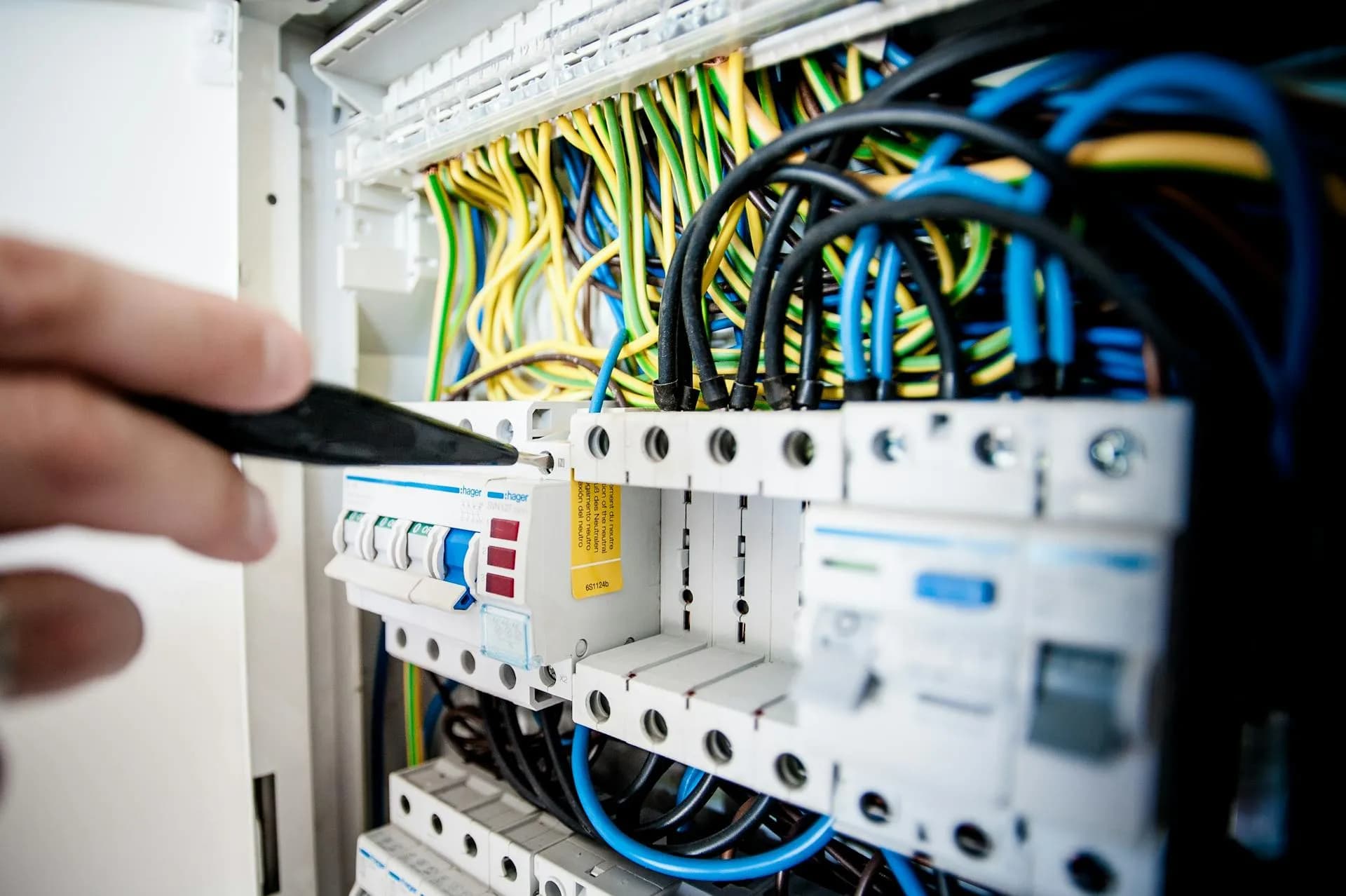
Electrical safety inspection covers the control panel, wiring, and all electrical components associated with the oven or furnace. We verify proper grounding, check for damaged or deteriorated wiring, confirm that control panel enclosures meet the appropriate NEMA rating for their environment, and verify that all electrical connections are secure. We test emergency stop circuits from every E-stop location to confirm they de-energize the system as required. For systems in areas with hazardous (classified) electrical locations per NEC Article 500 or 505, we verify that the electrical installation is appropriate for the area classification.
Pre-startup safety reviews (PSSRs) are required by OSHA's Process Safety Management (PSM) standard (29 CFR 1910.119) and by EPA's Risk Management Program (RMP) before modified or newly constructed equipment is placed in service. Even for facilities not covered by PSM or RMP, a PSSR is a best practice that verifies the equipment is ready for safe operation. Falcon Environmental Solutions conducts PSSRs that verify construction is complete and matches design specifications, safety interlocks and controls function correctly, operating procedures are in place, operator training is complete, and all identified action items from the review are resolved. Our PSSR reports are structured to satisfy both OSHA and insurance carrier requirements.
Documentation and reporting set our inspection service apart from a simple walk-through. Every Falcon Environmental Solutions NFPA 86 inspection produces a comprehensive written report that includes an equipment description, a complete checklist of all tested items with pass/fail results, photographic documentation of findings, corrective action recommendations prioritized by severity, and a compliance summary. This report is the document your insurance carrier wants to see. It is the record your facility manager needs to plan corrective maintenance. It is the evidence that demonstrates to OSHA and the state fire marshal that your facility takes combustion safety seriously.
Our inspection team includes technicians with direct experience on the types of pollution control equipment that Falcon Environmental Solutions services every day: thermal oxidizers, RTOs, catalytic oxidizers, scrubber systems with integral heaters, and flare systems. We are not general-purpose fire safety inspectors learning about your equipment on the job. We know these systems because we tune their burners, repair their components, and monitor them through our FalconWatch platform. That equipment-specific expertise means our inspections catch issues that a generalist inspector would miss, and our corrective action recommendations are practical and specific to your exact equipment configuration.
Inspections follow NFPA 86 (2023 edition or edition adopted by the local AHJ) Chapter 10 requirements for inspection, testing, and maintenance of ovens and furnaces. Safety interlock testing uses controlled simulation of fault conditions to verify proper system response. Combustion safeguard testing verifies timing per NFPA 86 Table 8.3.3.1 for pilot and main flame trial for ignition periods. SSOV leak testing uses the pressure decay method per NFPA 86 Section 8.8.1.3 with calibrated pressure gauges. Ventilation calculations follow NFPA 86 Section 6.4 for Class A ovens with LEL verification per Section 6.4.2. LEL monitor calibration verified with certified calibration gas at 50% LEL concentration. All findings are classified by severity: Critical (immediate safety risk, equipment should not operate until corrected), Major (significant non-compliance, corrective action required within 30 days), and Minor (best practice recommendation, address during next planned maintenance).
Contact us to discuss your nfpa inspections requirements and get a tailored proposal for your facility.
Request a QuoteBurner Tuning
Combustion optimization for thermal oxidizers, process heaters, and boilers, delivering lower NOx emissions, reduced fuel consumption, and reliable flame stability across all major burner platforms.
Environmental Consulting & Permit Support
Air permit applications, emissions inventory, regulatory compliance strategy, and agency coordination for facilities operating pollution control equipment under EPA, TCEQ, and state regulatory programs.
System Upgrades
Piping, ductwork, valve, burner, refractory, damper, fan, and insulation upgrades for thermal oxidizers, RTOs, scrubbers, and other pollution control equipment.
Engineered for Reliability. Built for the Field.
Why industrial facilities nationwide choose Falcon Environmental Solutions for nfpa inspections services.
Insurance carriers require documented NFPA 86 inspections for coverage on fuel-fired industrial equipment. Our inspection reports satisfy carrier requirements and demonstrate your facility's commitment to combustion safety management.
OSHA references NFPA 86 as the recognized standard for oven and furnace safety. State fire marshals enforce it directly. A current NFPA 86 inspection demonstrates compliance to every authority having jurisdiction over your facility.
Every safety interlock, every combustion safeguard, and every ventilation system exists to prevent catastrophic failure. Testing these systems identifies deficiencies before they contribute to an incident. The cost of an inspection is trivial compared to the cost of a combustion event.
Inspections catch deteriorating components, drifting setpoints, and failing sensors before they cause unexpected shutdowns. Planned corrective maintenance is always less expensive and less disruptive than emergency repairs.
Our inspectors know thermal oxidizers, RTOs, catalytic oxidizers, and scrubber systems because we service them every day. That expertise translates to more thorough inspections with more relevant, actionable findings.
Every inspection produces a comprehensive written report with checklists, photos, and prioritized corrective actions. One document satisfies your insurance carrier, your corporate safety department, and your regulatory agencies.
Our nfpa inspections services support a wide range of industrial and environmental applications.
Complete NFPA 86 inspections for direct-fired, regenerative (RTO), recuperative, and catalytic thermal oxidizers, including burner safety, interlock testing, and LEL monitoring verification for systems processing flammable VOCs.
Compliance inspections for curing ovens, powder coating ovens, batch furnaces, continuous furnaces, and dryers used in automotive, aerospace, coatings, food processing, and general manufacturing.
NFPA 86 and NFPA 87 (fluid heater) inspections for fired heaters in refining, petrochemical, and chemical manufacturing, covering burner management systems, flame safety, and fuel train integrity.
Safety inspections for integral heaters and reheat burners on wet scrubber and dry scrubber systems used in pollution control applications, including corrosion assessment of heat-affected components.
Comprehensive PSSRs for newly constructed or modified combustion equipment, verifying that all safety systems function correctly before the equipment is placed into service, satisfying OSHA PSM and insurance requirements.
Falcon Environmental Solutions delivers nfpa inspections services engineered for reliability, compliance, and long-term operational value. Contact us to discuss your project requirements and receive a detailed engineering proposal.