Industrial automation, PLC programming, SCADA systems, and environmental compliance solutions for Baton Rouge and the greater Louisiana region.
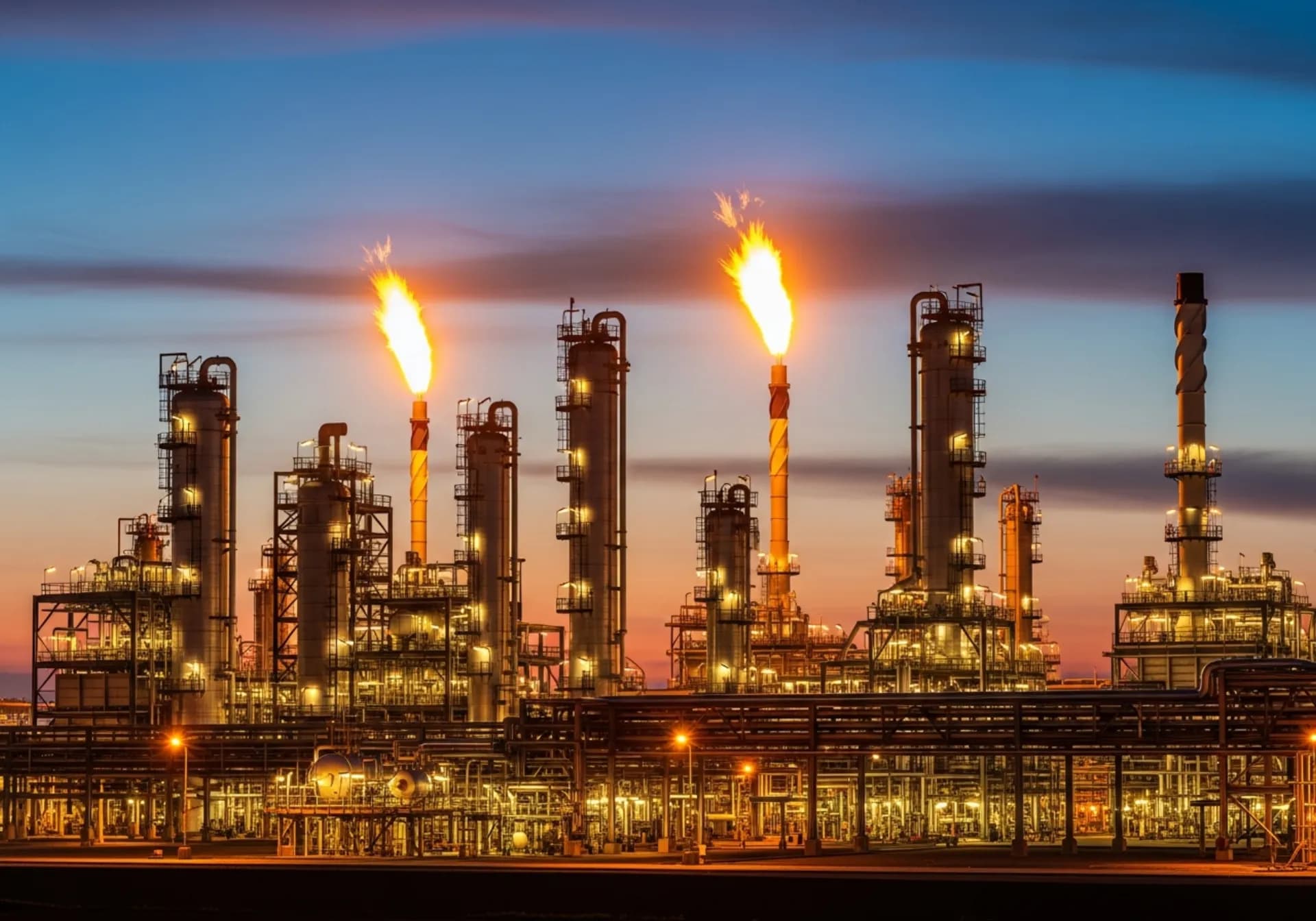
Baton Rouge anchors the northern end of what may be the single largest concentration of pollution control equipment in the world. The 85-mile stretch of the Mississippi River from Baton Rouge to New Orleans hosts over 150 major industrial facilities, and the thermal oxidizers, regenerative thermal oxidizers, catalytic oxidizers, scrubber systems, flare installations, and selective catalytic reduction systems at these plants collectively process billions of cubic feet of emissions every day. ExxonMobil's Baton Rouge Complex alone, the second-largest refinery in the United States at approximately 520,000 barrels per day, operates hundreds of individual pollution control devices ranging from massive flare systems and thermal oxidizers on process unit vents to small scrubbers on laboratory and sample point exhaust.
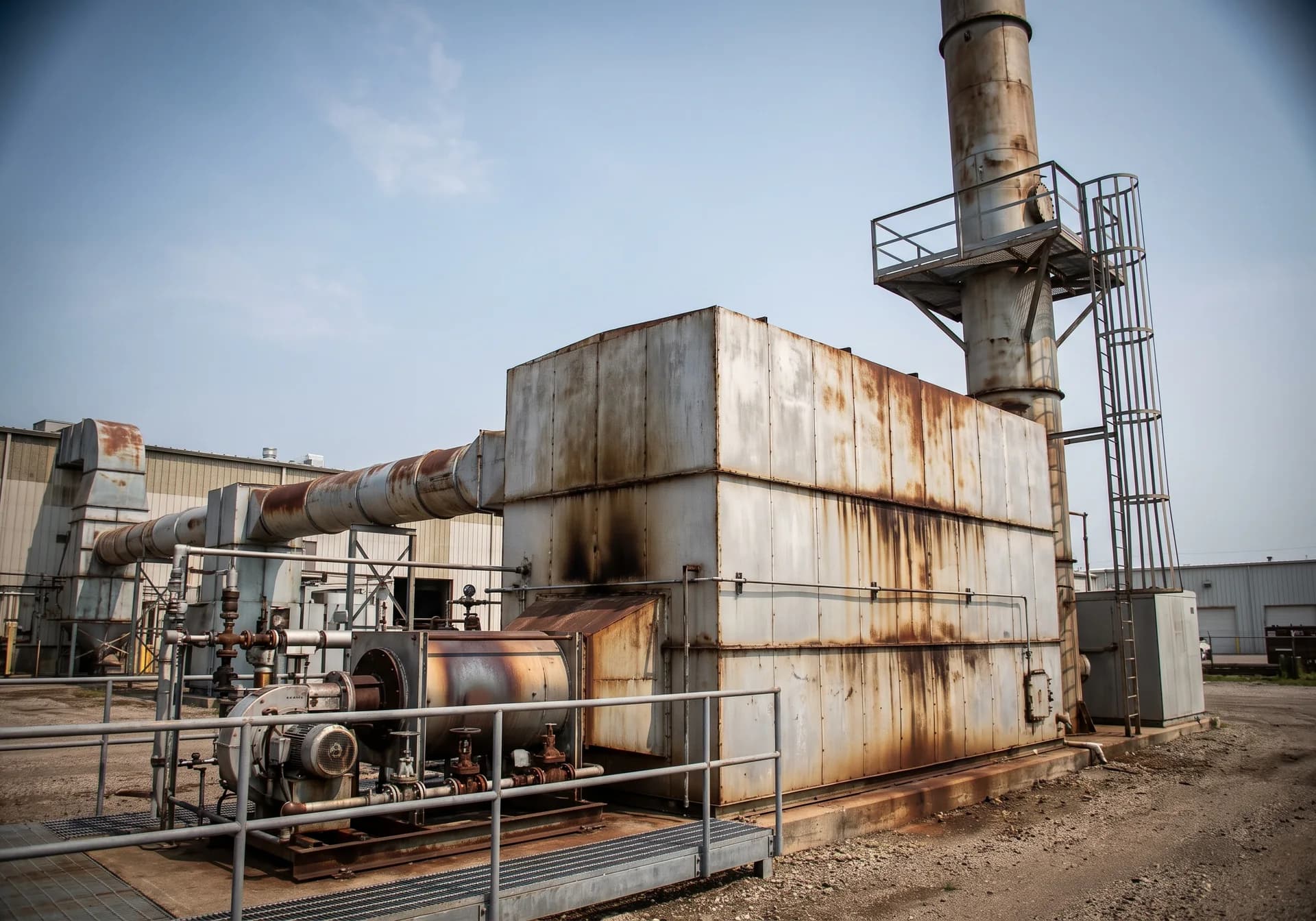
The petrochemical corridor between Baton Rouge and New Orleans encompasses Ascension, Iberville, West Baton Rouge, East Baton Rouge, and St. James parishes, and the density of chemical manufacturing here has no parallel in the Western Hemisphere. Dow Chemical in Plaquemine, BASF in Geismar, Shintech in Plaquemine and Addis, CF Industries in Donaldsonville, and dozens of other major chemical producers operate ethylene crackers, chlor-alkali plants, polymer production lines, ammonia synthesis, and specialty chemical operations, each with their own constellation of pollution control equipment. These facilities run their emission control systems continuously in Louisiana's extreme heat and humidity, where ambient temperatures routinely exceed 100 degrees with near-saturation humidity for months at a time, accelerating corrosion, degrading refractory, and stressing mechanical components far faster than equipment operating in more temperate climates.
The environmental justice scrutiny focused on the Baton Rouge corridor has intensified dramatically in recent years. EPA Title VI investigations, community organization pressure, and media attention have elevated the regulatory and reputational stakes of pollution control equipment performance failures. A thermal oxidizer that trips offline, a scrubber system that loses efficiency, or a flare that produces visible emissions is no longer just a regulatory compliance issue. In the Baton Rouge corridor, it can trigger community complaints, media coverage, and regulatory investigation that creates consequences well beyond a standard notice of violation.
Contact us to discuss your industrial automation and environmental compliance requirements for your Baton Rouge-area facility.
Request a QuoteThe major industrial sectors in the Baton Rouge region that depend on reliable process control and environmental monitoring.
ExxonMobil's Baton Rouge Refinery operates thermal oxidizers, enclosed ground flares, elevated flare systems, and vapor destruction units across a complex that spans miles of Mississippi River frontage. Catalytic crackers, hydrocrackers, cokers, alkylation units, and reformers generate process off-gases that are routed to destruction devices based on flow rate, composition, and heat content. Flare minimization programs mandated by LDEQ require continuous monitoring of flare tip flow, heat content, and visible emissions, with automated systems that divert recoverable gas streams away from the flare and toward process use or fuel gas systems. Thermal oxidizers on specific process vents must maintain permitted destruction efficiency through proper combustion temperature, residence time, and turbulence management. Falcon Environmental Solutions provides burner tuning, refractory inspection and repair, NFPA 86 safety assessments, and destruction efficiency optimization on refinery thermal oxidizers and flare system pilot burners throughout the Baton Rouge corridor, with documentation formatted for LDEQ compliance reporting.
Ethylene production at ExxonMobil Chemical's Baton Rouge plant, Dow's Plaquemine facility, and other corridor operations involves steam cracking furnaces that operate at temperatures exceeding 1,500 degrees Fahrenheit. These furnaces require periodic decoking where built-up coke deposits inside the radiant tubes are burned out using steam and air mixtures, generating emission spikes that must be controlled by the facility's pollution control equipment. Downstream polymerization plants produce fugitive VOC emissions from extruders, pelletizers, and polymer storage that are collected and routed to thermal oxidizers or flares. The pollution control equipment at ethylene and polymer plants must handle both steady-state process emissions and the transient conditions associated with startups, shutdowns, and decoking operations. Falcon provides burner tuning and combustion optimization for cracking furnace pollution controls, thermal oxidizer service for downstream process vents, and NFPA safety inspections across ethylene and polymer production facilities.
Shintech's chlor-alkali and PVC production in Plaquemine and Addis, Olin Corporation's chlor-alkali plant in St. Gabriel, and other chemical producers in the corridor operate scrubber systems handling some of the most corrosive and toxic gas streams in the industrial sector. Chlorine tail gas scrubbers must maintain removal efficiency above 99.9% given the extreme toxicity of chlorine releases. Vinyl chloride monomer (VCM) emissions are subject to NESHAP Subpart F with specific monitoring and control requirements because VCM is a known human carcinogen. HCl scrubbers downstream of oxychlorination reactors handle concentrated acid gas streams that rapidly degrade packing, mist eliminators, and recirculation components if solution chemistry is not properly maintained. Falcon provides comprehensive scrubber maintenance for chemical corridor operations, including internal inspections, packing replacement, mist eliminator service, recirculation pump and valve maintenance, instrumentation calibration, and performance testing to verify removal efficiency against permit limits.
CF Industries' Donaldsonville nitrogen complex in the southern Baton Rouge corridor produces ammonia, urea, UAN, and nitric acid using processes that operate at extreme pressures and temperatures. Nitric acid production involves catalytic oxidation of ammonia followed by absorption, generating NOx emissions controlled by tail gas treatment systems including selective catalytic reduction and extended absorption. Ammonia storage and handling systems require emergency scrubber systems designed to capture ammonia releases during vessel depressurization or transfer incidents. These emergency scrubber systems must be maintained in ready condition at all times even though they may operate infrequently, requiring periodic inspection, water supply verification, and functional testing. Falcon services both routine and emergency pollution control equipment at fertilizer operations, including NOx reduction catalyst management, ammonia scrubber maintenance and functional testing, and NFPA inspections on combustion-based equipment.
Air Liquide, Linde, and Air Products operate industrial gas production facilities throughout the Baton Rouge corridor, supplying hydrogen, nitrogen, oxygen, and specialty gases to adjacent refineries and chemical plants through over-the-fence pipeline arrangements. Hydrogen production via steam methane reforming generates CO2 and trace CO emissions controlled by thermal oxidizers on reformer tail gas. Nitrogen generation and oxygen separation processes operate under conditions where even small leaks can create safety hazards, requiring continuous monitoring and properly maintained emergency systems. The satellite facilities supporting major corridor operations also include cooling water treatment plants, wastewater treatment systems, and tank farms that operate their own scrubber systems and vapor control equipment. Falcon provides thermal oxidizer service, scrubber maintenance, and NFPA inspections across the industrial gas and support facility network that keeps the corridor's major chemical operations running.
The compliance landscape for industrial operations in the Baton Rouge region.
The Louisiana Department of Environmental Quality (LDEQ) is the primary regulatory authority for Baton Rouge corridor facilities, administering air, water, and waste permits under Louisiana Administrative Code (LAC) Title 33, Part III. The concentration of major sources in the corridor means LDEQ processes a disproportionate share of the state's Title V Renewable Operating Permit workload for this region. LDEQ has been under increasing pressure from EPA, community organizations, and the courts regarding permitting practices in the industrial corridor. EPA's Title VI investigation and the heightened environmental justice focus have resulted in more intensive permit review, additional public participation requirements, and supplemental environmental conditions. Thermal oxidizers and scrubbers must demonstrate destruction or removal efficiency through source testing, with continuous parametric monitoring between tests. NFPA 86 and NFPA 87 apply to all combustion-based pollution control equipment. Flare minimization programs require continuous monitoring and documentation of flare operation. NESHAP Subpart F imposes specific VCM monitoring and control requirements at PVC manufacturing facilities. The regulatory and community scrutiny environment means that documented, professional maintenance of pollution control equipment is essential for maintaining both operating permits and community operating license in the Baton Rouge corridor.
Engineered for Reliability. Built for the Field.
Our engineering services tailored to the specific needs of Baton Rouge-area industrial facilities.
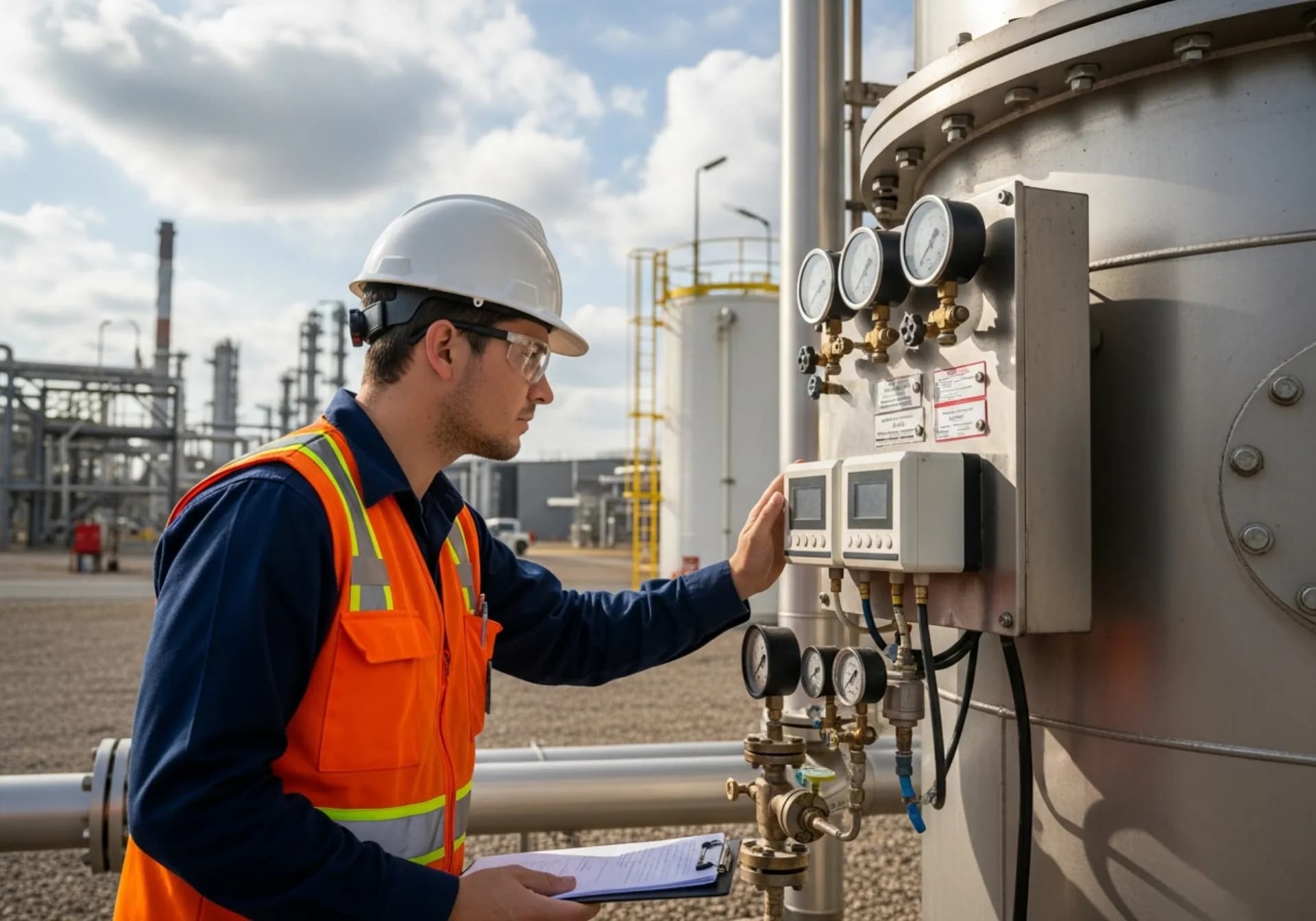
Falcon Environmental Solutions provides Baton Rouge petrochemical corridor facilities with pollution control equipment service calibrated to the specific demands of this uniquely concentrated industrial region. Burner tuning and combustion optimization cover the thermal oxidizers, enclosed ground flares, and fired heaters operating across corridor refineries, ethylene plants, polymer operations, and chemical facilities. NFPA 86 and NFPA 87 safety inspections document flame safeguard operation, gas train integrity, combustion air management, and emergency shutdown capability.
Scrubber service programs address the packed bed scrubbers, spray towers, and emergency scrubber systems at chlor-alkali plants, ammonia facilities, and chemical operations throughout the corridor. Environmental consulting navigates the LDEQ permitting process and the heightened scrutiny environment, helping facilities maintain compliance documentation that withstands regulatory review, community inquiry, and legal challenge. Source testing coordination ensures pollution control equipment operates at peak performance during compliance demonstrations.
System upgrades and new construction services include thermal oxidizer retrofits, scrubber installations, and controls modernization performed in partnership with Creekmist Controls and MAK Solutions. The FalconWatch monitoring platform, developed by partner Creekmist Controls, provides continuous remote visibility into pollution control equipment performance across the corridor, supporting the trend toward centralized operations management and providing the real-time documentation that the current regulatory environment demands.
The Baton Rouge petrochemical corridor is a world with its own operating culture, regulatory dynamics, and community expectations. EPC contractors, plant turnaround organizations, and maintenance crews operating in the corridor follow established workflows that a pollution control service provider must integrate with seamlessly. The regulatory environment is evolving rapidly under the combined pressure of EPA Title VI oversight, environmental justice litigation, and intensifying community scrutiny.
Pollution control equipment that met permit requirements five years ago may not satisfy the enhanced monitoring and documentation expectations that LDEQ is imposing on renewed permits. Having a service partner who tracks these regulatory developments, understands the LDEQ permitting timeline, and can anticipate monitoring requirements before they become permit conditions protects capital investment and prevents costly retrofits. The extreme Gulf Coast operating environment adds accelerated corrosion, humidity-related refractory damage, and heat stress on equipment that demands service approaches tuned to these conditions.
Falcon Environmental Solutions brings corridor-specific knowledge to every project in the Baton Rouge region.
Falcon Environmental Solutions delivers industrial automation and environmental compliance services engineered for the Baton Rouge market. Contact us to discuss your project requirements and receive a detailed engineering proposal.
Falcon Environmental Solutions provides industrial automation services across the country.