Industrial automation, PLC programming, SCADA systems, and environmental compliance solutions for Dallas and the greater Texas region.
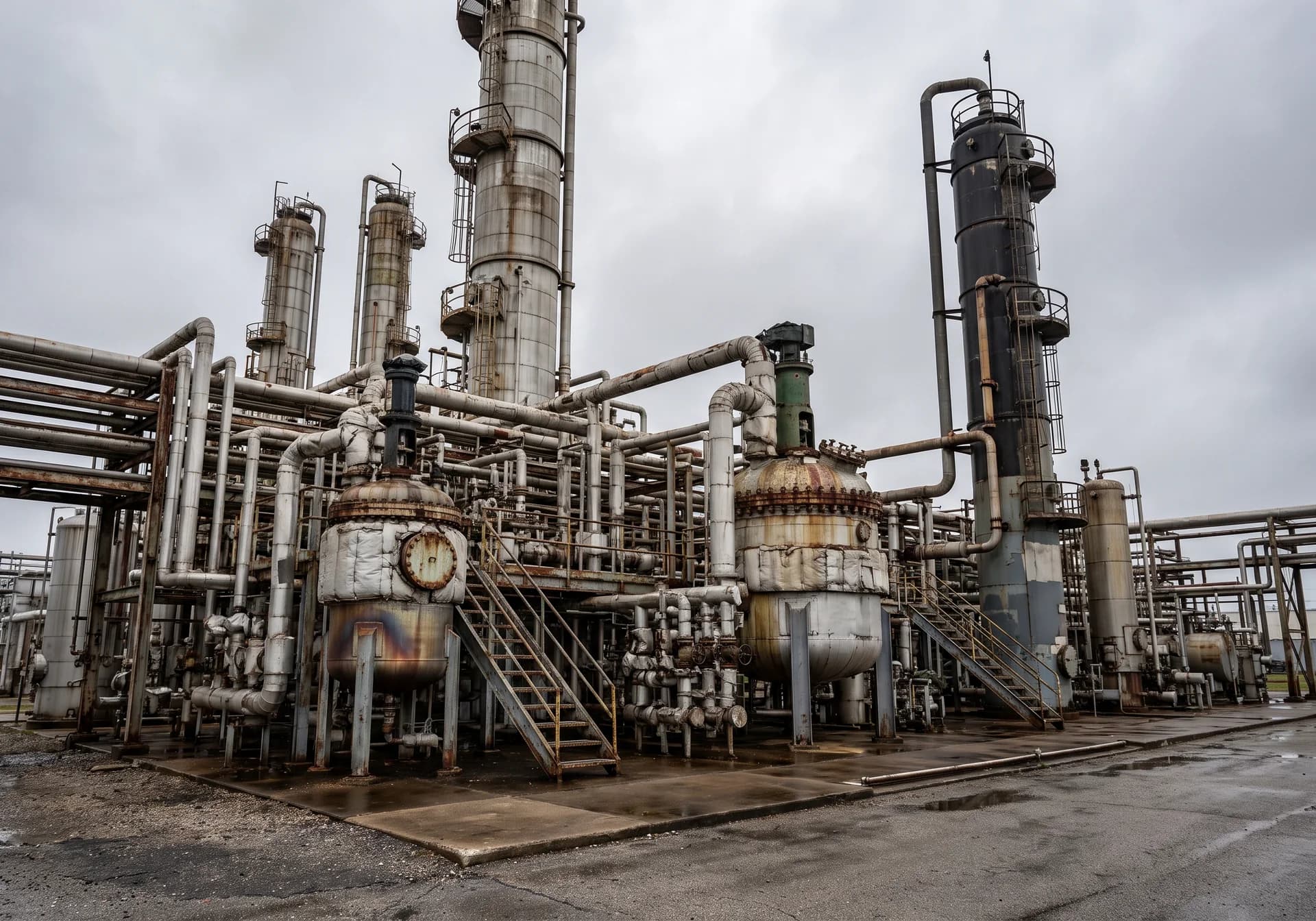
The Dallas-Fort Worth metroplex has become one of the most diversified manufacturing economies in the United States, and the pollution control equipment serving these facilities reflects that diversity. Unlike Houston's petrochemical corridor where thermal oxidizers dominate, the DFW region operates a wide mix of RTOs, catalytic oxidizers, regenerative catalytic oxidizers (RCOs), packed bed scrubbers, and carbon adsorption systems across industries ranging from semiconductor fabrication to automotive paint finishing to pharmaceutical solvent recovery. The variety of emission sources and control technologies in North Texas creates demand for a pollution control service provider with broad equipment expertise rather than narrow specialization in one industry or one type of device.
The DFW manufacturing corridor stretches from the Alliance Texas development in north Fort Worth through the Great Southwest Industrial District between Arlington and Grand Prairie, and into the Inland Port logistics zone in southern Dallas County. Aerospace operations at Lockheed Martin's F-35 assembly line and Bell Textron's helicopter manufacturing campus generate solvent and coating emissions controlled by thermal oxidizers in their paint booth exhaust systems. Texas Instruments' Richardson wafer fabrication facilities operate point-of-use scrubbers and thermal abatement units to destroy the toxic and pyrophoric gases used in semiconductor manufacturing processes. Pharmaceutical and biotech operations across the northern suburbs use solvent-based synthesis and formulation processes that require catalytic or thermal oxidation of VOC-laden exhaust.
The General Motors Arlington Assembly Plant operates one of the largest automotive paint shop thermal oxidizer systems in the region, processing massive volumes of solvent-laden air from spray booths through regenerative thermal oxidizers that must maintain tight temperature control and consistent destruction efficiency to meet TCEQ air quality permit conditions. Across the metroplex, food processing operations, printing facilities, coatings manufacturers, and plastics processors all operate pollution control equipment that requires regular service, inspection, and performance verification to stay in compliance with North Texas ozone nonattainment area regulations.
Contact us to discuss your industrial automation and environmental compliance requirements for your Dallas-area facility.
Request a QuoteThe major industrial sectors in the Dallas region that depend on reliable process control and environmental monitoring.
DFW's aerospace manufacturing sector generates significant VOC and HAP emissions from paint application, primer spraying, composite layup, and solvent cleaning operations. Lockheed Martin's mile-long F-35 facility and Bell Textron's rotorcraft campus operate paint booth exhaust systems routed to thermal oxidizers and catalytic oxidizers sized to handle the high air volumes and variable solvent loading characteristic of aerospace coating operations. L3Harris Technologies, Raytheon, and dozens of Tier 1 suppliers run similar pollution control equipment on their finishing and coating lines. These thermal oxidizers must be tuned to handle the specific solvent mixtures used in aerospace coatings, which often include methyl ethyl ketone (MEK), toluene, xylene, and specialty formulations with different heat values and combustion characteristics. Falcon Environmental Solutions provides burner tuning, NFPA 86 safety inspections, refractory evaluation, and destruction efficiency optimization on aerospace sector thermal oxidizers across the DFW metroplex.
Texas Instruments operates multiple wafer fabrication facilities in Richardson, including the massive RFAB complex. Semiconductor manufacturing uses gases including silane, arsine, phosphine, boron trichloride, and chlorine trifluoride that are toxic, pyrophoric, or both, and must be destroyed before atmospheric discharge. Point-of-use (POU) thermal abatement units at each process tool burn these gases at high temperatures, while facility-level acid gas scrubbers treat the combustion byproducts (primarily HCl and HF) before exhaust reaches the atmosphere. These scrubber systems use packed bed columns with water or caustic recirculation to neutralize acid gases. Maintaining proper scrubber water chemistry, packing condition, and mist eliminator integrity is essential to preventing corrosive acid gas emissions that would violate TCEQ permits and damage downstream ductwork. Falcon services POU abatement units and facility-level scrubbers at semiconductor operations, performing internal inspections, packing replacement, instrumentation calibration, and performance testing.
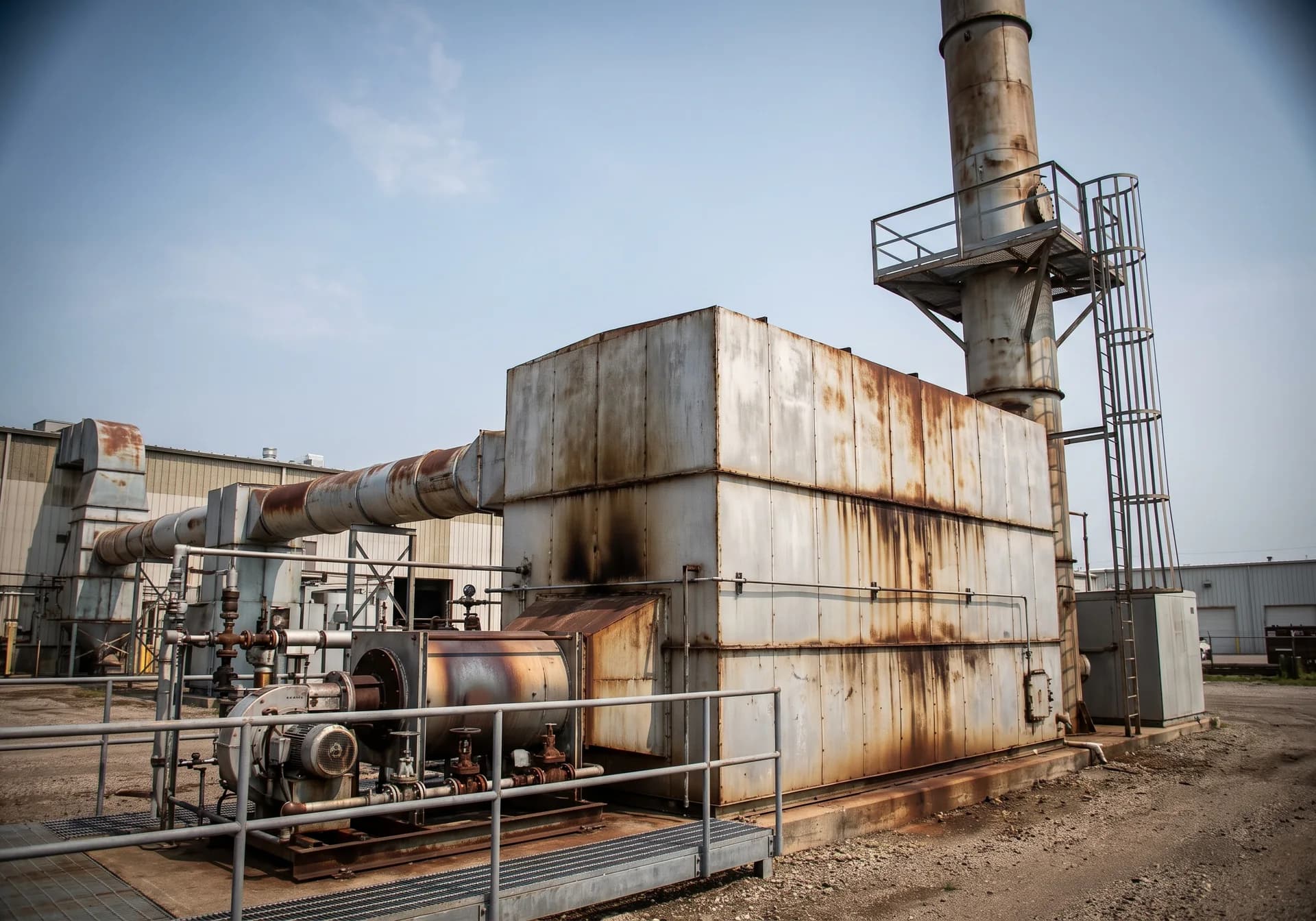
The General Motors Arlington Assembly Plant processes full-size SUV bodies through a multi-stage paint system that applies e-coat, primer, basecoat, and clearcoat layers. The paint shop exhaust system concentrates solvent-laden air from spray booths and flash-off zones and routes it through large regenerative thermal oxidizers. These RTOs use ceramic heat exchange media to recover thermal energy, cycling between inlet and outlet modes to maintain thermal efficiency above 95% while destroying VOCs at combustion chamber temperatures exceeding 1,500 degrees Fahrenheit. Maintaining consistent RTO performance requires regular hot-side ceramic media inspection for plugging and breakage, valve timing verification, purge cycle optimization, and combustion chamber refractory assessment. Falcon performs comprehensive RTO maintenance including media cleaning and replacement, valve actuator service, burner tuning, and NFPA safety system inspections that keep these critical pollution control systems running at peak efficiency through demanding production schedules.
Pharmaceutical manufacturing and specialty chemical operations across the DFW northern suburbs use solvent-based processes that generate VOC emissions requiring destruction or recovery. Catalytic oxidizers are common at pharmaceutical facilities where lower-concentration, consistent-composition exhaust streams can be treated at reduced temperatures, saving significant fuel cost compared to thermal oxidizers. These catalytic systems use precious metal or base metal oxide catalyst beds that degrade over time through poisoning, masking, and thermal sintering. Regular catalyst activity testing, pressure drop monitoring, and inlet temperature optimization are essential to maintaining destruction efficiency while controlling operating costs. Falcon provides catalyst sample analysis, bed replacement coordination, inlet preheat system tuning, and performance verification for catalytic oxidizer installations at pharmaceutical and specialty chemical facilities across North Texas.
DFW has historically been a major center for commercial printing and packaging manufacturing. Flexographic and gravure printing operations use solvent-based inks that generate concentrated VOC exhaust streams typically routed to thermal or catalytic oxidizers. Coatings manufacturers and adhesive producers in the Great Southwest Industrial District and the Valwood Industrial Park operate mixing, dispersion, and filling operations with solvent handling that produces emissions controlled by a mix of thermal oxidizers, carbon adsorption systems, and condensation recovery units. The variable organic loading from batch production processes creates burner control challenges on thermal oxidizers serving these facilities, requiring combustion systems that respond quickly to changing inlet conditions without overshooting temperature setpoints. Falcon tunes burner systems for variable-load applications, inspects and services carbon adsorption systems, and performs NFPA compliance assessments across the printing and coatings sector.
The compliance landscape for industrial operations in the Dallas region.
Dallas-area industrial facilities operate under TCEQ oversight through the Region 4 office in Dallas. The nine-county DFW ozone nonattainment area is classified as serious nonattainment under EPA National Ambient Air Quality Standards (NAAQS), which triggers requirements for Reasonably Available Control Technology (RACT) on existing sources and Lowest Achievable Emission Rate (LAER) for new major sources. Pollution control equipment at DFW facilities must demonstrate compliance with applicable VOC destruction efficiency requirements through periodic stack testing and continuous parametric monitoring. Thermal oxidizers and RTOs are typically required to maintain combustion chamber temperature above a minimum setpoint established during the initial compliance test, with continuous temperature recording as the parametric compliance indicator. TCEQ rules under 30 TAC Chapter 117 impose NOx emission limits on combustion equipment including thermal oxidizer burners in the DFW nonattainment area. NFPA 86 safety inspections are required for thermal oxidizers classified as Class A or Class B ovens, and facility insurance carriers increasingly require documented annual safety inspections of all combustion-based pollution control equipment. The combination of ozone nonattainment status and growing industrial activity in North Texas means that TCEQ enforcement of pollution control equipment performance is intensifying, making regular professional service and documentation essential for compliance protection.
Engineered for Reliability. Built for the Field.
Our engineering services tailored to the specific needs of Dallas-area industrial facilities.
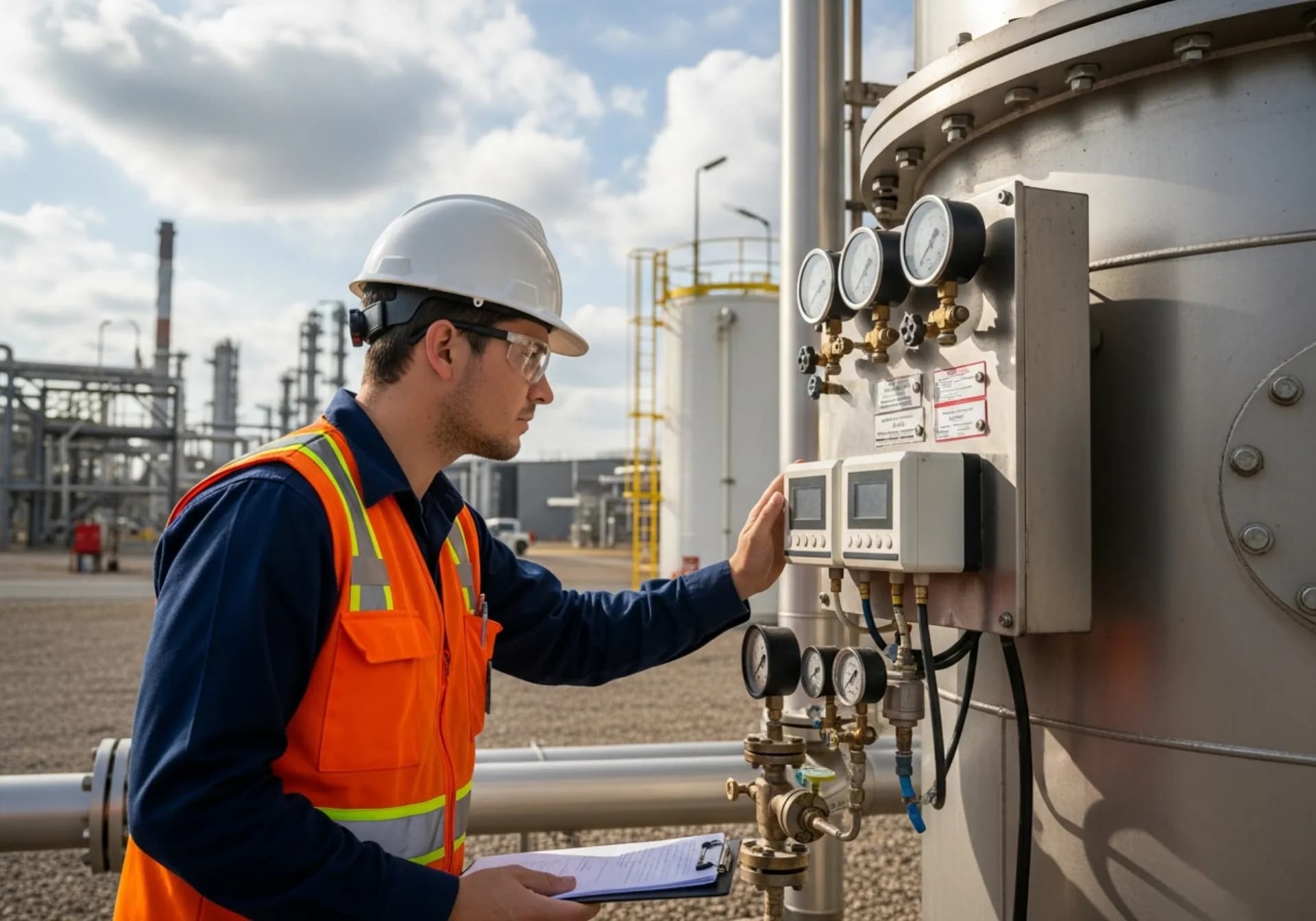
Falcon Environmental Solutions serves the DFW metroplex with pollution control equipment service tailored to the region's diverse manufacturing base. Our technicians perform burner tuning and combustion optimization on thermal oxidizers, RTOs, and catalytic oxidizers across aerospace, automotive, pharmaceutical, printing, and general manufacturing applications. NFPA 86 safety inspections cover flame safeguard systems, gas train components, combustion air systems, and emergency shutdown interlocks on every type of combustion-based pollution control device.
RTO-specific services include ceramic media inspection, cleaning and replacement, valve timing optimization, purge cycle verification, and hot-side refractory assessment. Scrubber service programs address the packed bed scrubbers, POU abatement units, and acid gas treatment systems found at semiconductor and chemical facilities. Environmental consulting helps DFW manufacturers navigate TCEQ Region 4 permitting requirements, prepare for compliance source tests, and evaluate whether existing pollution control equipment can meet evolving nonattainment area regulations or requires upgrade.
New construction and system upgrade services include thermal oxidizer installations, scrubber system design and installation, and controls modernization performed in partnership with Creekmist Controls and MAK Solutions. The FalconWatch monitoring platform, developed by partner Creekmist Controls, gives DFW facility managers continuous remote access to combustion temperatures, pressure differentials, and other critical pollution control operating parameters.
The DFW metroplex covers over 9,000 square miles, and the pollution control equipment across the region spans every technology type and industry application. A thermal oxidizer at an aerospace paint operation has different service requirements than an RTO at an automotive assembly plant or a scrubber system at a semiconductor fab. Falcon Environmental Solutions brings the breadth of equipment expertise that the DFW market demands, combined with local presence that enables rapid response when a critical pollution control system needs emergency service.
Understanding the TCEQ Region 4 permitting process, knowing the inspection patterns and enforcement priorities for the DFW nonattainment area, and maintaining relationships with local source testing firms and engineering consultants translates into faster project execution and more reliable compliance outcomes for North Texas manufacturers.
Falcon Environmental Solutions delivers industrial automation and environmental compliance services engineered for the Dallas market. Contact us to discuss your project requirements and receive a detailed engineering proposal.
Falcon Environmental Solutions provides industrial automation services across the country.