Industrial automation, PLC programming, SCADA systems, and environmental compliance solutions for Los Angeles and the greater California region.
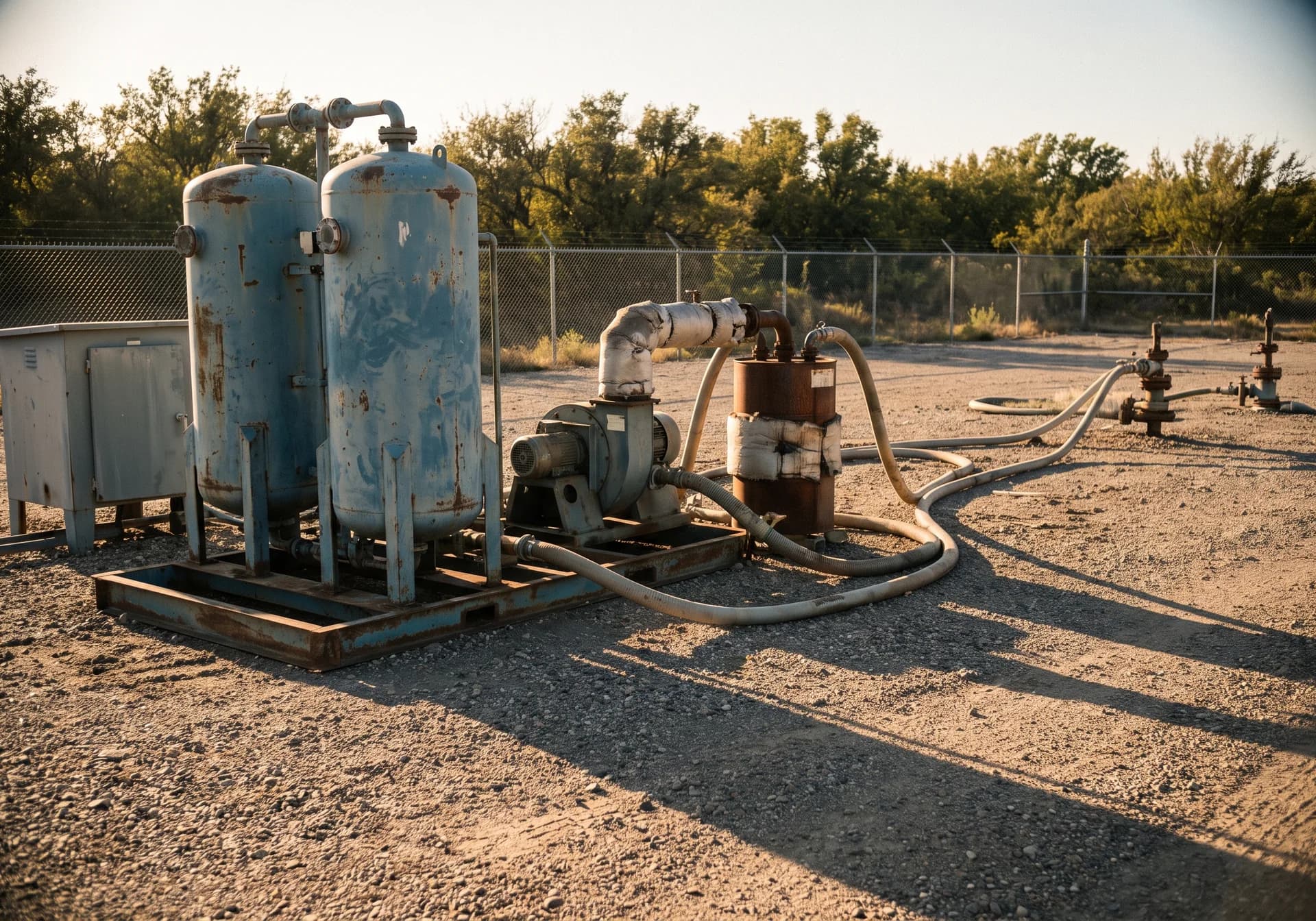
Los Angeles operates under the most stringent air quality regulations in the United States, and the pollution control equipment at every industrial facility in the South Coast Air Basin reflects that reality. The South Coast Air Quality Management District (SCAQMD) regulates stationary source emissions across Los Angeles, Orange, Riverside, and San Bernardino counties with rules that impose destruction efficiency requirements, emission limits, and monitoring obligations far exceeding those in any other jurisdiction in the country. A thermal oxidizer that passes compliance in Texas or Illinois may fall well short of SCAQMD requirements. A scrubber system designed to generic EPA standards will likely need significant upgrades to satisfy SCAQMD permit conditions. Every piece of pollution control equipment operating in the LA basin must be maintained to a higher standard, documented more thoroughly, and tested more frequently than comparable equipment anywhere else.
The California Air Resources Board (CARB) adds state-level requirements on top of SCAQMD rules, and together they create a compliance framework where pollution control equipment performance is subject to continuous regulatory pressure. The RECLAIM cap-and-trade program for NOx and SOx is being phased out and replaced with facility-specific command-and-control requirements that impose even tighter emission limits on combustion sources, including thermal oxidizer burner systems. Every thermal oxidizer, RTO, catalytic oxidizer, and scrubber in the basin must achieve and document performance levels that represent the practical limits of the technology.
The LA basin's industrial landscape includes petroleum refineries in Wilmington, Torrance, El Segundo, and Carson; aerospace manufacturing with paint booth thermal oxidizers in Palmdale, El Segundo, and the San Fernando Valley; marine terminals at the Ports of Los Angeles and Long Beach with vapor destruction and recovery systems; and a broad base of manufacturing operations across the Inland Empire. The pollution control equipment serving these facilities faces the additional challenge of operating in a seismic zone, where equipment anchorage, flexible connections, and emergency shutdown capability must account for earthquake loads per California Building Code requirements.
Contact us to discuss your industrial automation and environmental compliance requirements for your Los Angeles-area facility.
Request a QuoteThe major industrial sectors in the Los Angeles region that depend on reliable process control and environmental monitoring.
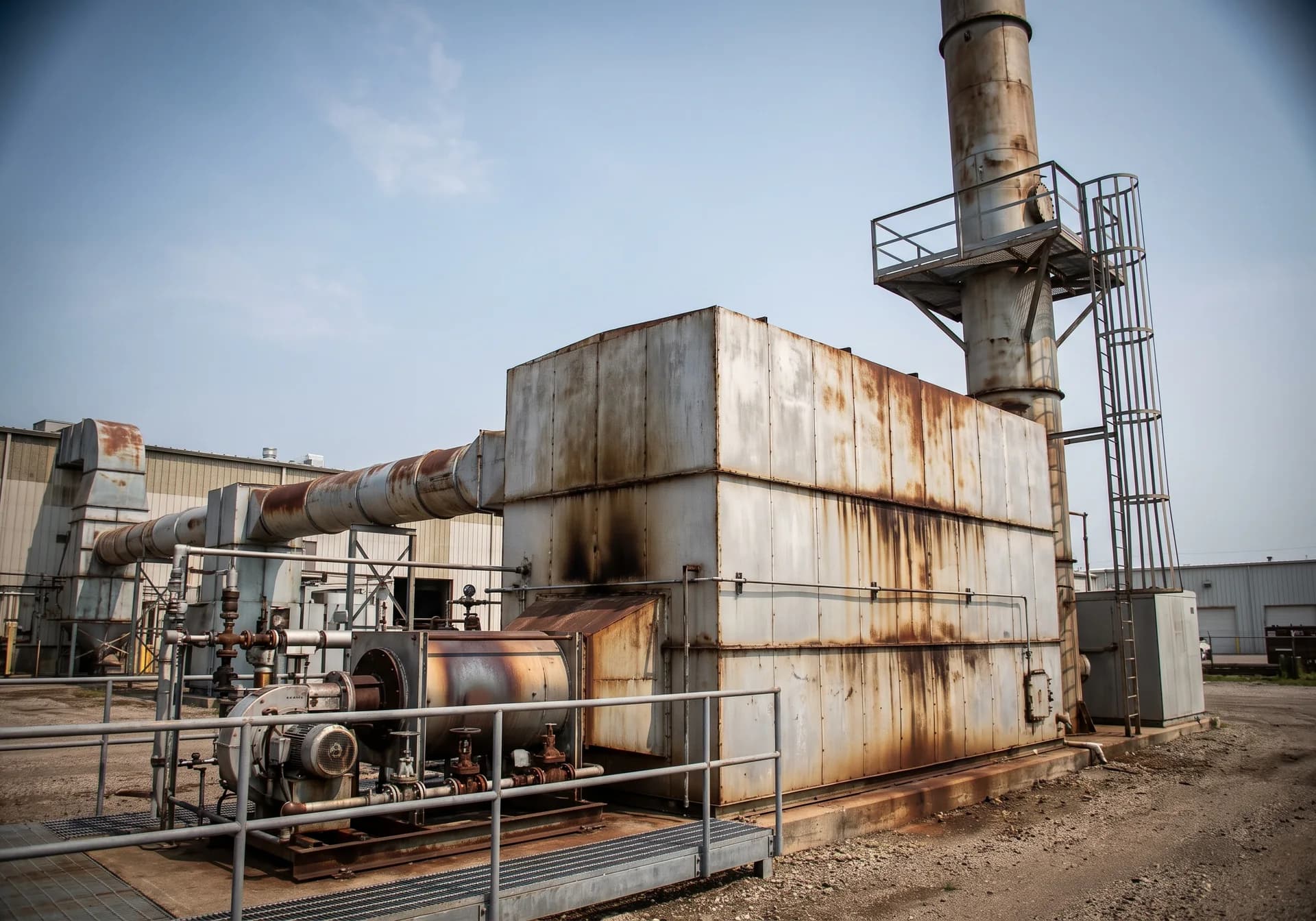
LA basin refineries operated by PBF Energy (Torrance), Valero (Wilmington), Marathon (Carson), and others operate thermal oxidizers, flare systems, and vapor destruction units under SCAQMD permits with the most restrictive emission limits for refining operations in the nation. SCAQMD Rules 1109 and 1109.1 set emission limits for refinery boilers and heaters that directly affect thermal oxidizer burner system design and tuning. Destruction efficiency requirements at LA basin refineries commonly specify 99% or higher, compared to the 98% standard in many other jurisdictions. Achieving these higher destruction efficiencies demands precise burner tuning, proper combustion chamber temperature maintenance, and adequate residence time that can only be assured through regular professional service. Falcon Environmental Solutions provides burner tuning, NFPA safety inspections, refractory assessment, and destruction efficiency optimization on refinery pollution control equipment, with documentation packages specifically formatted for SCAQMD inspector review.
Southern California aerospace operations at Northrop Grumman (Palmdale, El Segundo, Redondo Beach), Boeing (Long Beach), and SpaceX (Hawthorne) generate solvent and coating emissions from paint application, composite processing, and metal finishing operations that are controlled by thermal oxidizers, catalytic oxidizers, and scrubber systems. SCAQMD Rule 1469 specifically regulates hexavalent chromium emissions from metal finishing and aerospace chrome plating operations, requiring high-efficiency scrubbers with specific design and monitoring provisions. Paint booth thermal oxidizers at aerospace facilities must handle the variable loading patterns created by large part painting operations where spray cycles produce high-concentration peaks followed by extended low-concentration periods during masking and preparation. Falcon services aerospace pollution control equipment with attention to the SCAQMD-specific requirements that distinguish these installations from similar equipment in less regulated jurisdictions, including enhanced monitoring, tighter efficiency requirements, and more frequent source testing obligations.
The Ports of Los Angeles and Long Beach handle over 18 million TEUs annually, and the marine terminals, bulk liquid facilities, and petroleum transfer operations at the port complex operate vapor recovery and destruction systems under SCAQMD and CAAP (Clean Air Action Plan) requirements. Marine loading terminals use vapor recovery units, thermal oxidizers, and carbon adsorption systems to control VOC emissions during vessel loading and unloading operations. SCAQMD Rule 462 and Rule 1166 impose specific vapor control requirements for liquid transfer and soil remediation activities at port facilities. The intermittent operation patterns at marine terminals create thermal cycling stress on thermal oxidizer refractory and require burner systems that achieve rapid heat-up to operating temperature when transfer operations begin. Falcon provides maintenance and service for port terminal vapor control equipment, including startup verification before transfer operations, NFPA safety inspections, and performance testing to verify compliance with SCAQMD destruction efficiency requirements.
The broader LA basin and Inland Empire support thousands of manufacturing operations including furniture finishing, metal coating, plastics processing, food manufacturing, and electronics assembly, many of which operate thermal oxidizers, catalytic oxidizers, or scrubber systems to control VOC, HAP, or acid gas emissions. SCAQMD Rule 1110.2 sets NOx emission limits for stationary internal combustion engines and turbines. Rule 1146 and 1146.1 regulate NOx emissions from industrial boilers and process heaters. These rules directly affect the combustion equipment associated with pollution control systems. Catalytic oxidizers are widely used in Southern California because their lower operating temperatures reduce fuel consumption and produce lower NOx emissions from the oxidizer burner itself, which matters under SCAQMD's strict NOx rules. Falcon provides comprehensive service for the full range of pollution control equipment found across LA basin manufacturing, including catalytic oxidizer catalyst management, thermal oxidizer burner tuning for minimum NOx, and scrubber system maintenance.
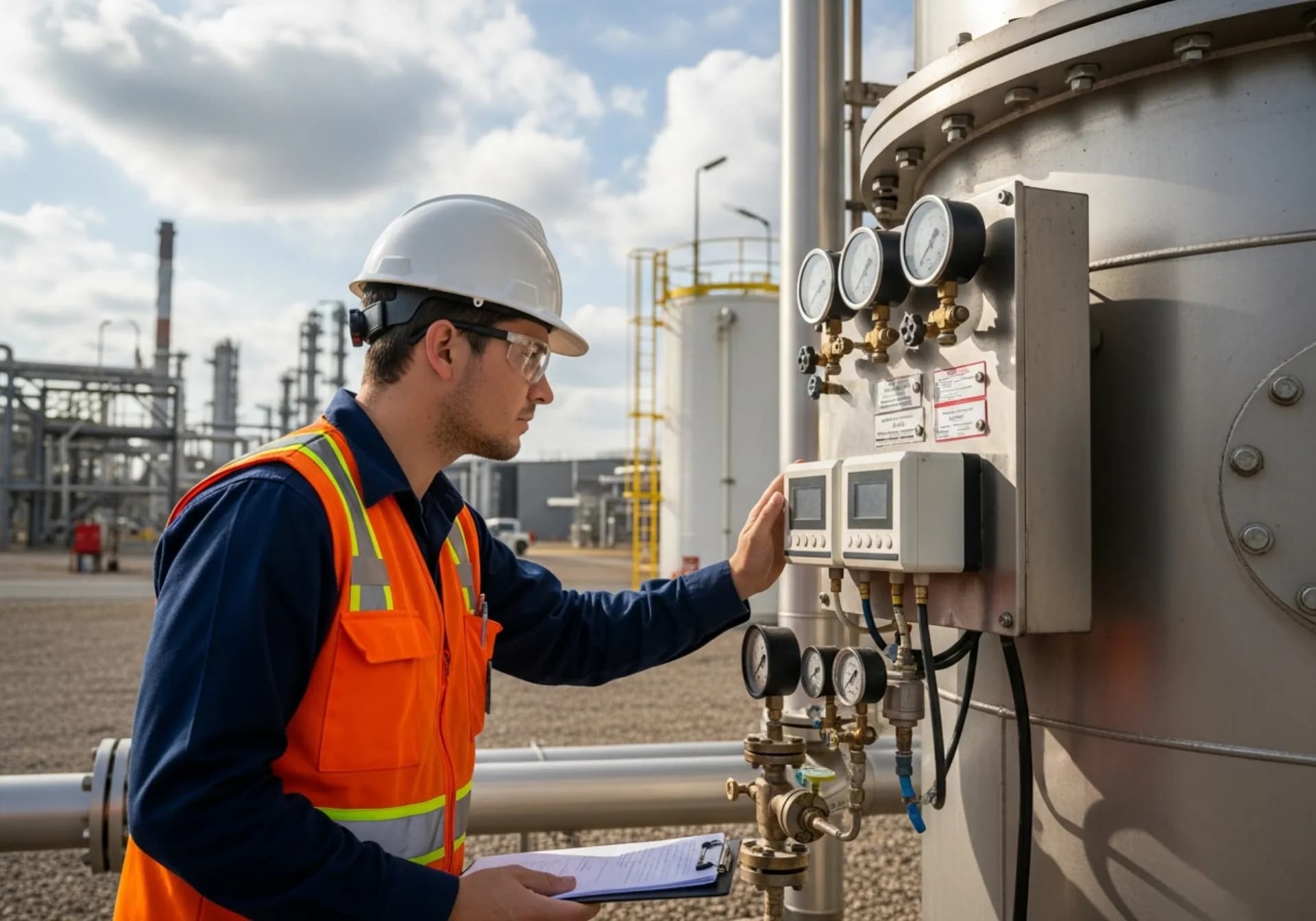
SCAQMD compliance requirements for pollution control equipment exceed those of any other air quality district in the country. Source testing frequency, parametric monitoring requirements, record-keeping obligations, and reporting formats are all more demanding than comparable requirements under TCEQ, Illinois EPA, or PA DEP. Facilities must maintain detailed operating logs for thermal oxidizers and scrubbers, with temperature, pressure, and flow data available for SCAQMD inspector review at any time. The transition from RECLAIM to command-and-control regulations is imposing new facility-specific emission limits that may require existing pollution control equipment to achieve higher performance levels than the original permit required. Falcon Environmental Solutions provides pre-test optimization services that bring pollution control equipment to peak operating condition before scheduled SCAQMD compliance source tests, and our environmental consulting team helps facilities evaluate whether existing equipment can meet new regulatory requirements or needs replacement or upgrade.
The compliance landscape for industrial operations in the Los Angeles region.
The South Coast Air Quality Management District (SCAQMD) is the primary air quality regulator for stationary sources in the Los Angeles basin, administering over 150 rules specific to the South Coast Air Basin. SCAQMD permits require Best Available Control Technology (BACT) at emission levels far below what other states require. Thermal oxidizers typically must achieve 99% or higher destruction efficiency, with some permits requiring 99.9%. The RECLAIM cap-and-trade program for NOx and SOx is transitioning to command-and-control requirements with facility-specific emission caps. CARB adds state-level requirements including the Greenhouse Gas Cap-and-Trade program and statewide emission standards. NFPA 86 applies to all thermal oxidizers, with California's State Fire Marshal adding fire prevention requirements beyond the base NFPA standard. Seismic design requirements under California Building Code Chapter 13 affect equipment anchorage and flexible connections for all pollution control equipment. SCAQMD enforcement is aggressive, with field inspectors conducting both scheduled and unannounced inspections, and penalty schedules that escalate rapidly for repeat violations. The combination of the strictest emission limits, the most demanding documentation requirements, and the most active enforcement program in the country means that pollution control equipment in the LA basin must be maintained to a standard that exceeds every other market.
Engineered for Reliability. Built for the Field.
Our engineering services tailored to the specific needs of Los Angeles-area industrial facilities.
Falcon Environmental Solutions serves Los Angeles basin industrial facilities with pollution control equipment service engineered for SCAQMD and CARB compliance. Burner tuning and combustion optimization achieve the high destruction efficiencies and low NOx emissions simultaneously required under SCAQMD rules. NFPA 86 safety inspections meet both the base national standard and California State Fire Marshal supplemental requirements.
RTO service includes ceramic media inspection for the plugging and degradation patterns common in LA basin applications, valve timing optimization, and hot-side refractory assessment. Scrubber maintenance covers the high-efficiency packed bed scrubbers required by SCAQMD Rule 1469 for hexavalent chromium and similar demanding applications. Environmental consulting specializes in SCAQMD permitting, BACT determination support, and compliance strategy development for the RECLAIM-to-command-and-control transition.
Source testing coordination ensures pollution control equipment is operating at peak performance when SCAQMD compliance tests occur. System upgrades and new construction include thermal oxidizer retrofits to meet higher destruction efficiency requirements, scrubber installations for newly regulated emission sources, and controls upgrades performed in partnership with Creekmist Controls and MAK Solutions. The FalconWatch monitoring platform, developed by partner Creekmist Controls, provides the continuous parametric monitoring and data recording that SCAQMD compliance increasingly demands.
Operating in the LA basin without deep understanding of the SCAQMD regulatory framework is not viable. A pollution control service provider who tunes thermal oxidizers to Gulf Coast standards will leave LA basin facilities out of compliance. SCAQMD documentation requirements, inspector expectations, and enforcement intensity are qualitatively different from any other jurisdiction.
Having a service partner who understands SCAQMD rule structure, knows the compliance verification procedures, and designs maintenance programs to produce the specific documentation SCAQMD inspectors expect is not optional in this market. The seismic design requirements, California fire code supplements, and CARB regulatory overlay add dimensions that require California-specific expertise. Falcon Environmental Solutions delivers the SCAQMD-calibrated service that LA basin pollution control equipment demands.
Falcon Environmental Solutions delivers industrial automation and environmental compliance services engineered for the Los Angeles market. Contact us to discuss your project requirements and receive a detailed engineering proposal.
Falcon Environmental Solutions provides industrial automation services across the country.